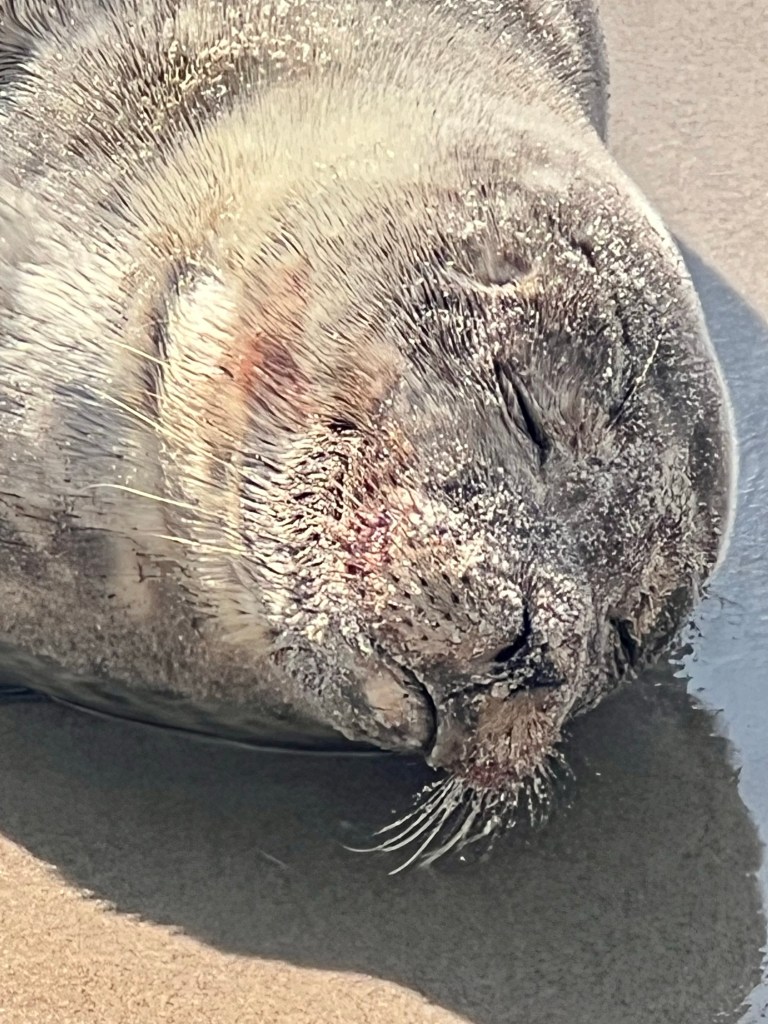
Leaving Smögen, Sweden we enjoyed beautiful passage conditions to Skagen, Denmark. The northernmost tip of Denmark, Skagen is a holiday port for Swedes and Danes and the harbor was full of lively holiday weekenders making the very most of the final summer weekend. The shops and restaurants were full to brimming with live entertainment and patrons were spilling onto the streets and keeping the movable party going well into the night hours. Alec and I had a little wander around town while Jack did some of his school work and we found a lovely bakery in which we had our first “danish”. The first time I had danish in Denmark was 7 years ago or more and I havent forgotten the pasty like confection and the real fruit filling which put to shame any same named pastry sold in the US. We brought enough to bring to Jack back on Gratitude and enjoyed it for a few days onward.
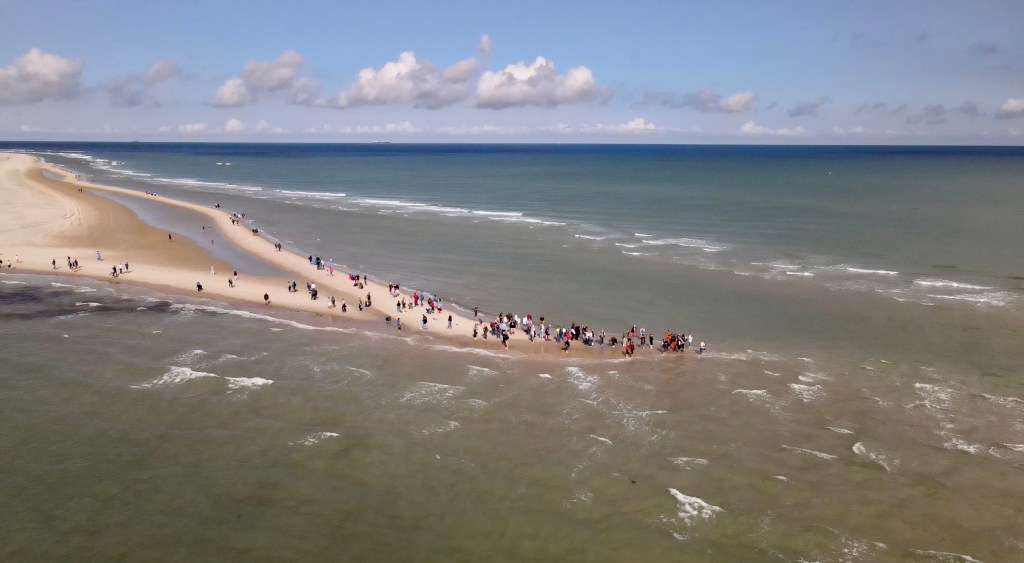
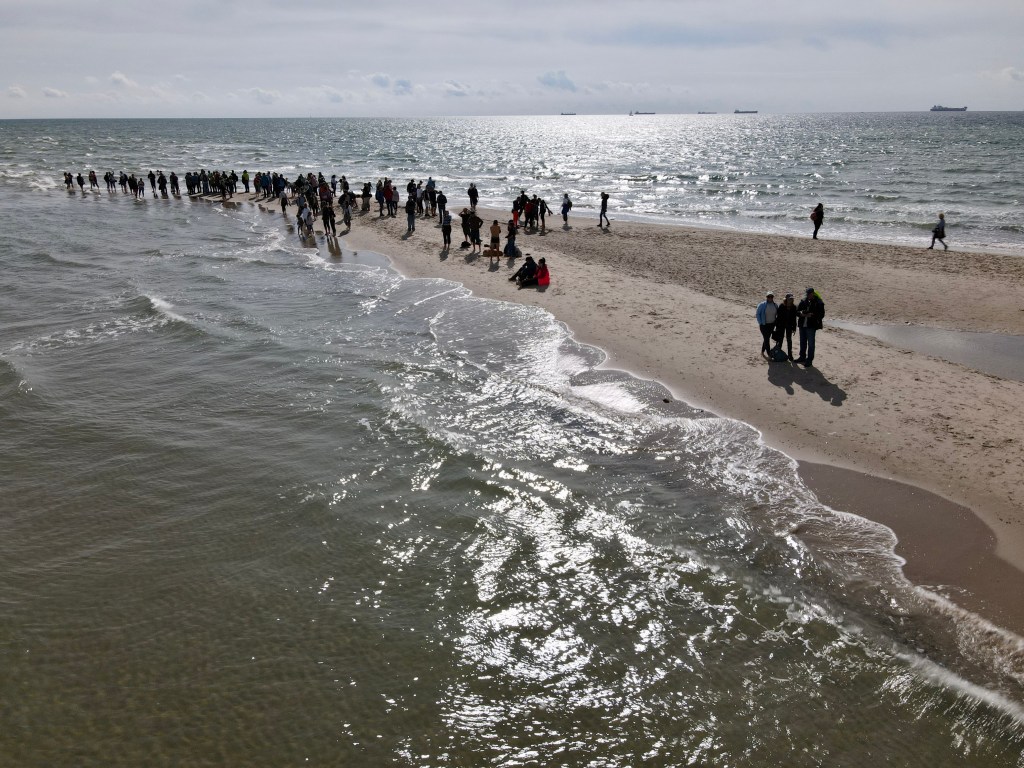

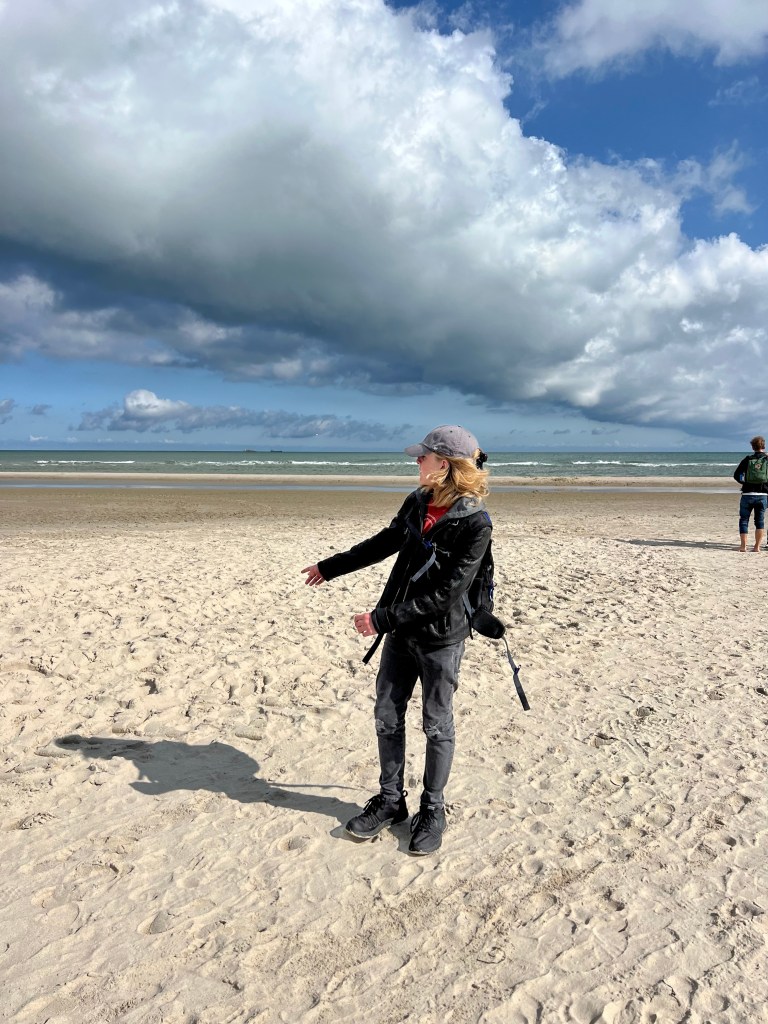
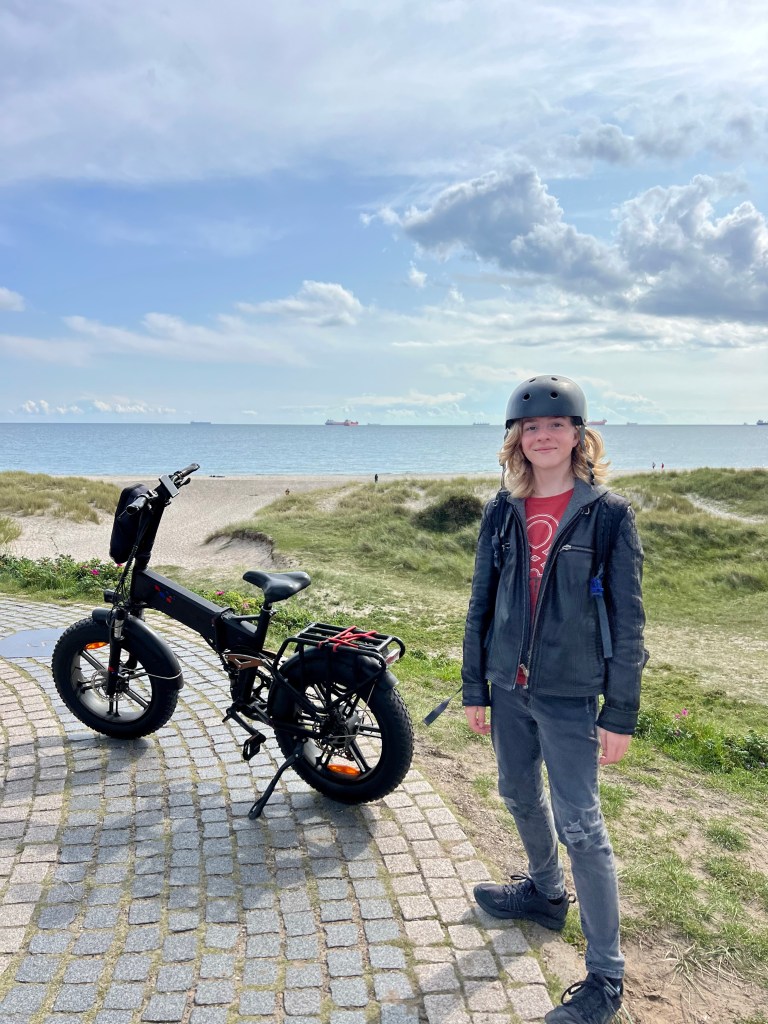
Needing some exercise to burn off these delightful treats, we got an early start the next morning and rode our bikes to the very Northern tip of Denmark, Grenen, where the North Sea collides with the Baltic. I say collides because due to differences in density, this is exactly what happens. The waves come from different directions and slam into each other. Curious what it might look like from above, I asked Alec to bring the drone so we could get a wider perspective and these photos are the result. I especially love the ones where you can actually see the waves coming from opposite directions.
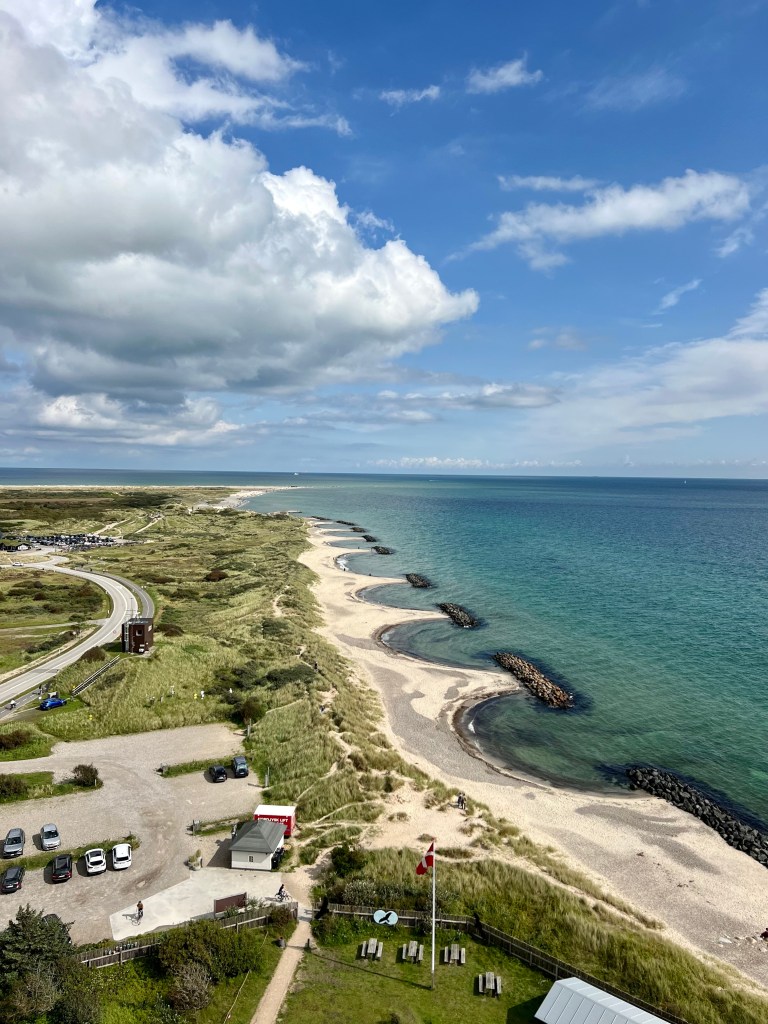
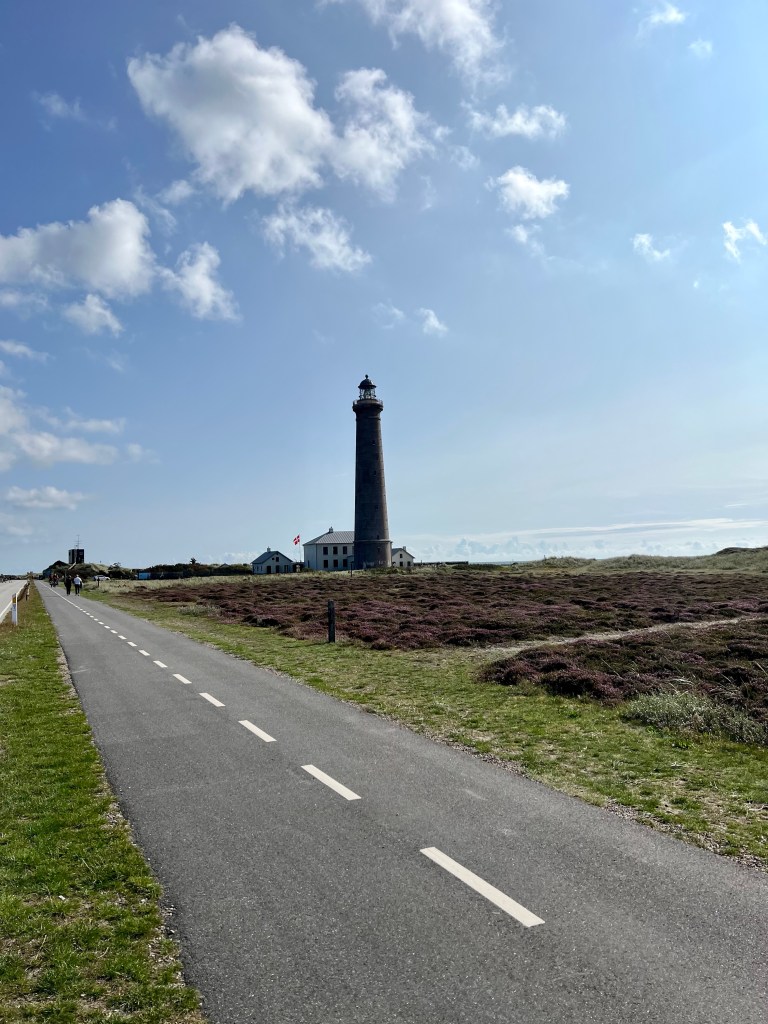

Leaving Grenen we stopped at the Skagen Grey Lighthouse which has become an international bird center. Given its path on the migratration routes of hundreds of species, there are sightings of both rare species and several birds of prey.
Continuing our ride we stopped at the location of the former lighthouse then enjoyed an evening in town for dinner and ice cream.



Leaving Skagan, our next stop was Læsø, a wonderful little island 12 miles off of the Jutland peninsula. Boasting a year round population of less than 2000 people, there is regular ferry service and an active community. Nearly deserted this time of year, we had no trouble finding a nice place to tie up and enjoy dinner.
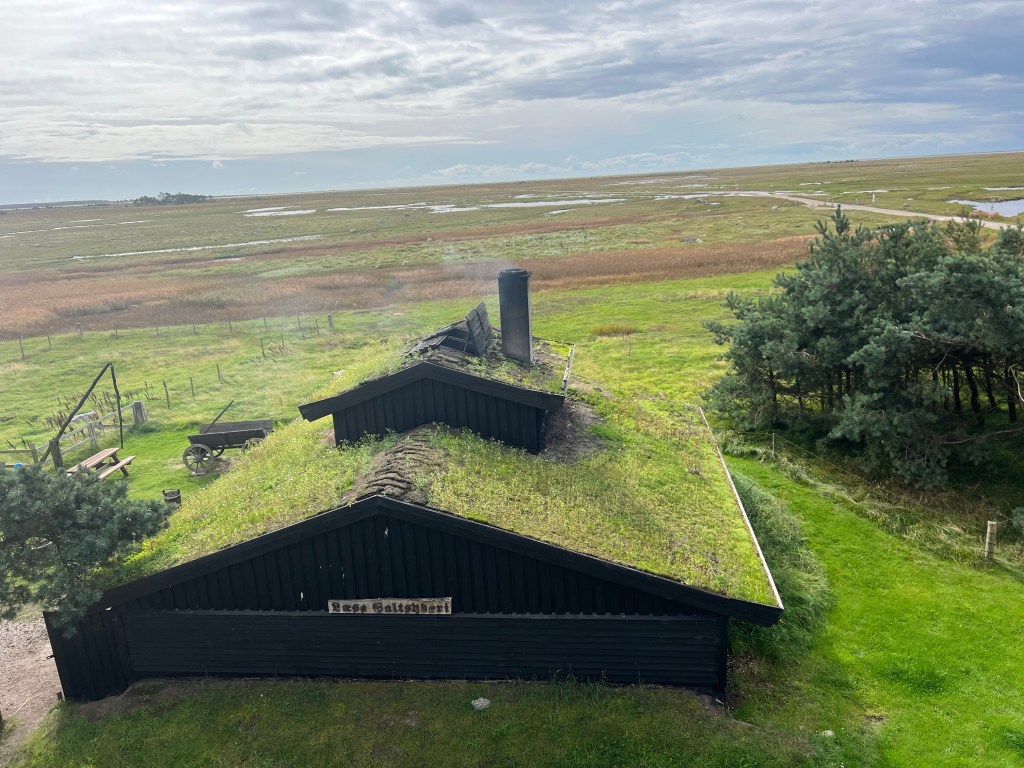
The following day we rode our bikes to the Læsø Salt “factory”. Dating back to the Middle Ages, with a brief pause due to overforestation, Læsø has been nearly continuously producing salt in their kilns. Due to a high natural concentration of salt in the flats meadows due to the dry summers and with the final concentration done in kilns, Læsó has been able to produce unique and natural sea salt. It was the hungry kilns which caused the deforestation and subsequent interruption of the salt production. Once the forest returned, so did the salt production. The salt is still concentrated in the exact methods used in the 1200s. I may be biased but I think this is the nicest tasting salt I have ever eaten – Maldon used to be my favorite because of the flaky texture but this has that special texture but a lovely taste which I think is unique.
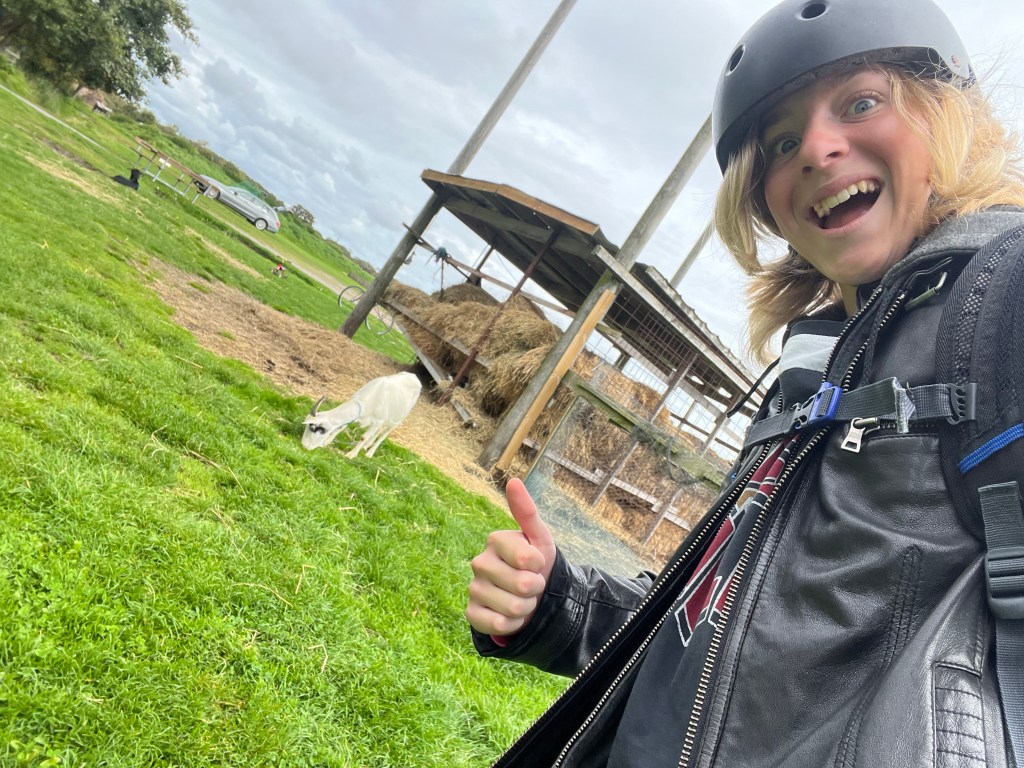
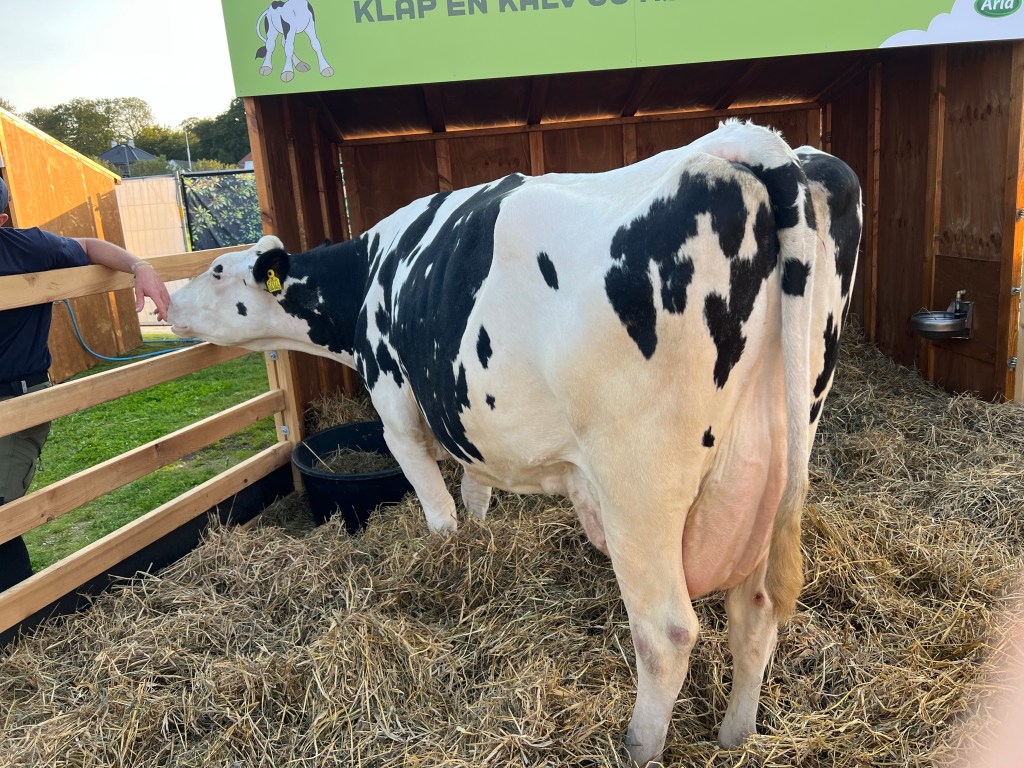

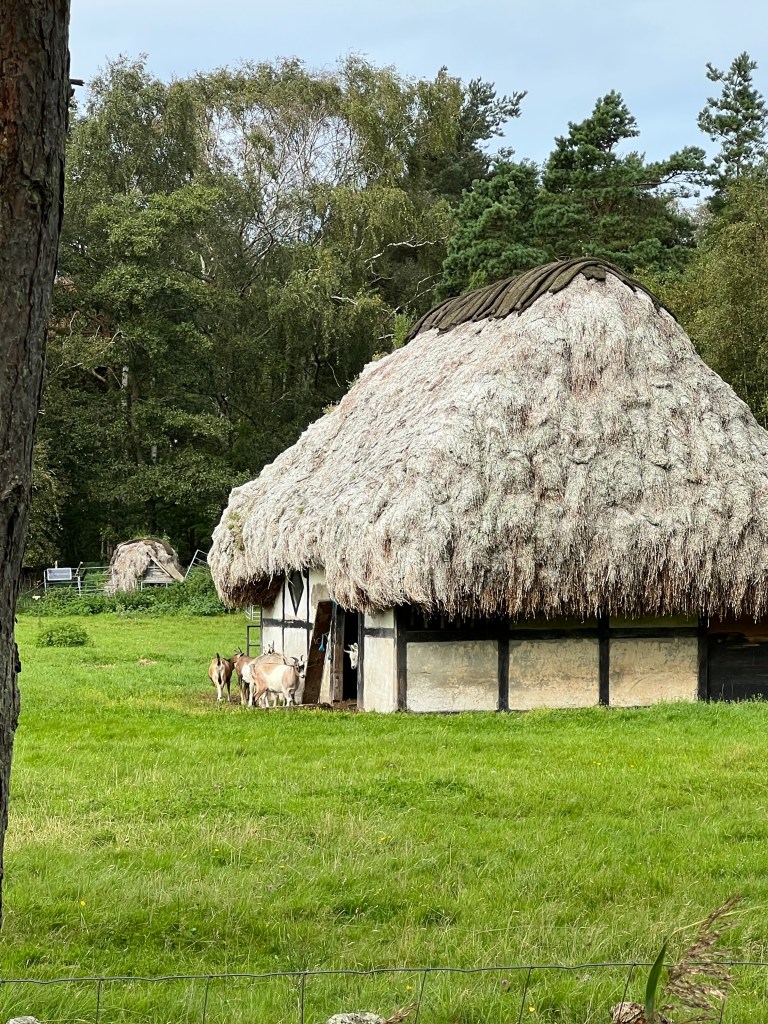
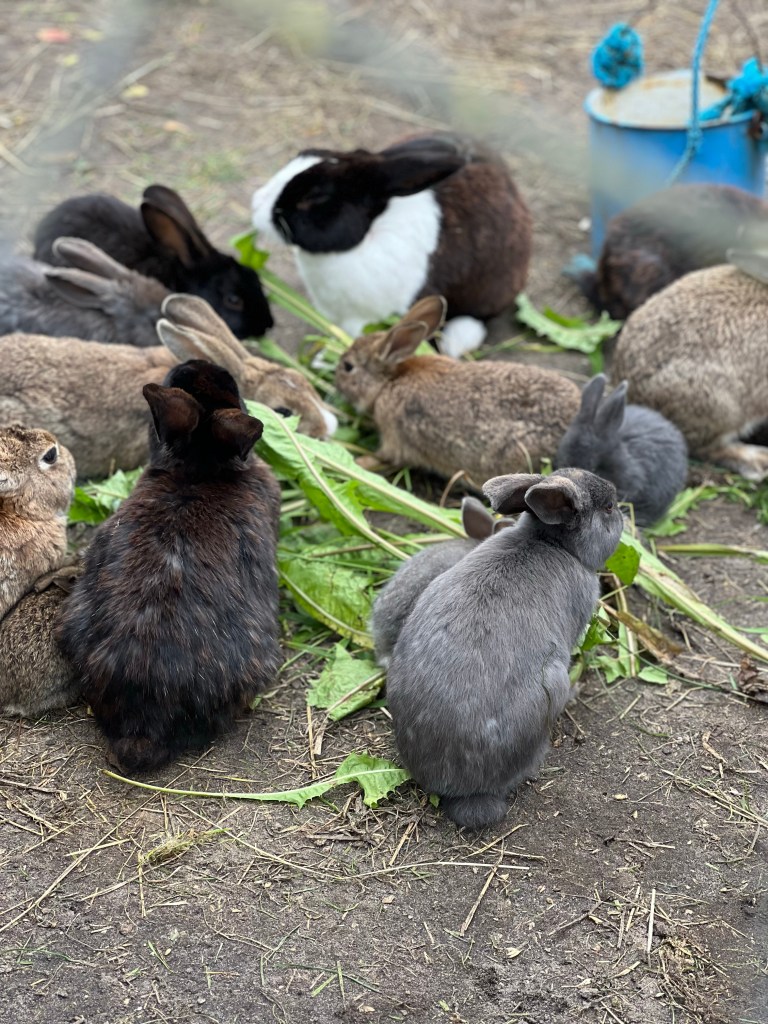
We passed many farms and lots of animals on a way. This was a wonderful stop and we can see what a vibrant and fun place this must be at the peak of the summer months. Though we enjoyed the quieter post peak season visit.
Continue in our trip down the Danish coast, we spent a night at Grenaa, then to Aarhus.
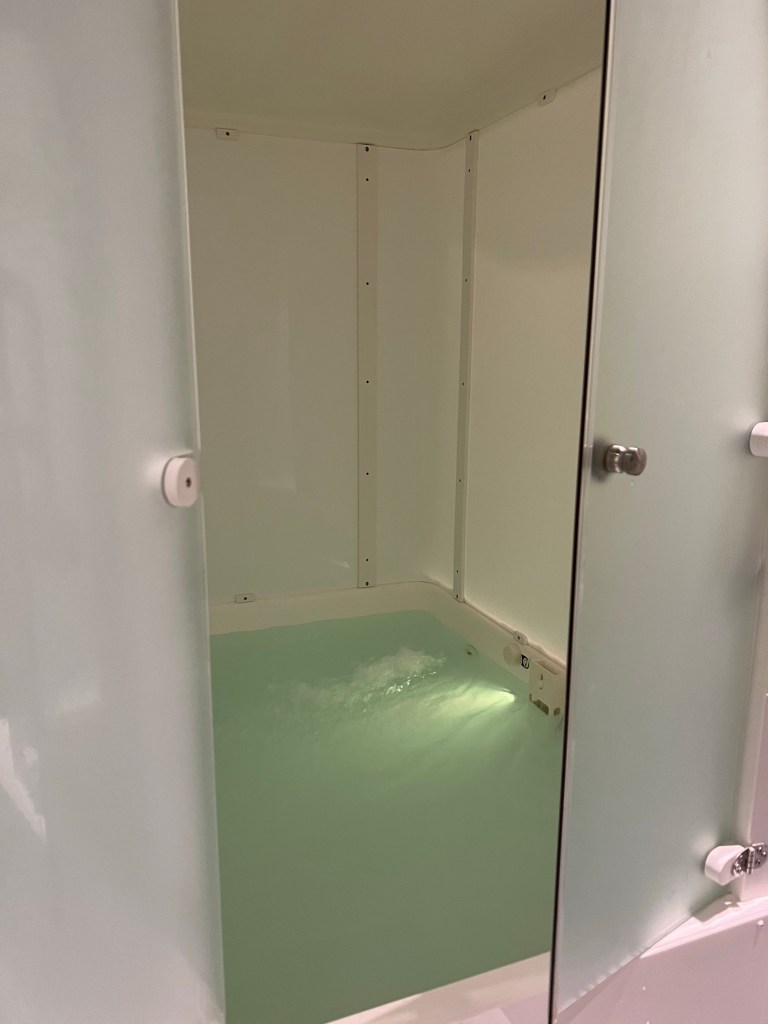
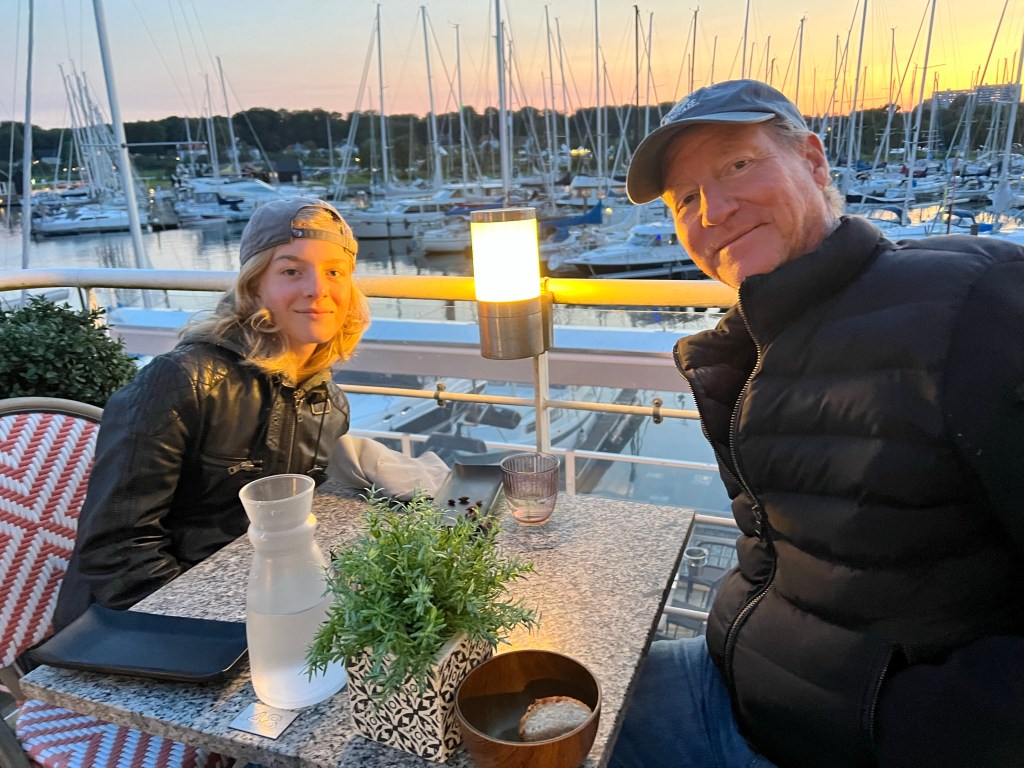


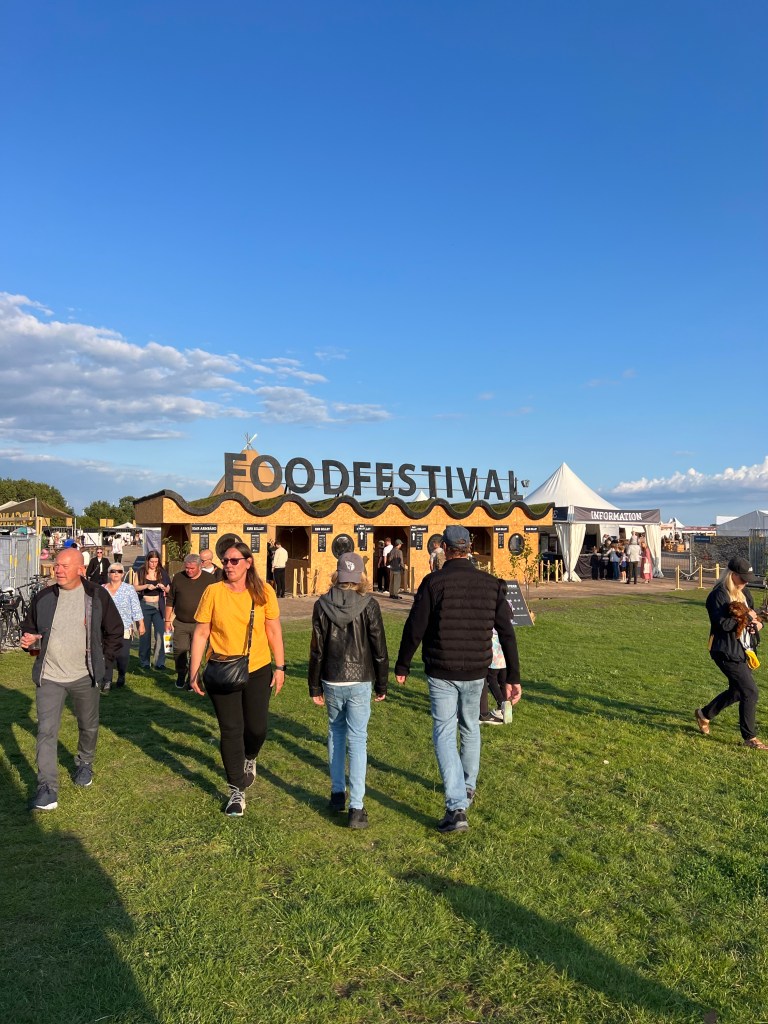
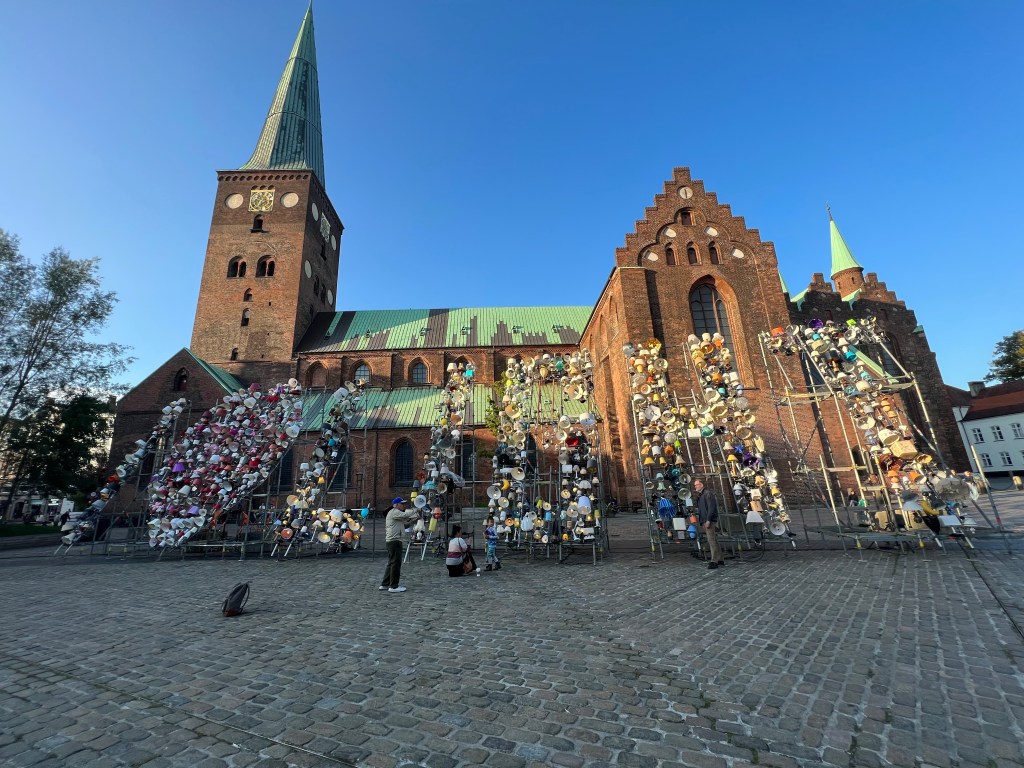
Itself a very cool town, Aarhus, Denmark was established in the 8th century. Despite the multiple museums and a vibrant city life, there was far too much to see for us to have managed it on this short visit. We planned this stop for my birthday (I prefer to be stationery when the anniversary of my birth comes around) and we decided it would make a nice place to rent a car and travel to the Lego House. We did make it to the Food festival and enjoyed the town and Cathedral with its ancient frescoes.
Long before we began our summer trip, Billund Denmark has been high on the list. Jack, an ardent Lego fan, has had “Lego Designer” on his short list of dream jobs. The birthplace of Lego is Billund, Denmark and with Legoland (we have our own in Florida so we didnt go) and the Lego House, we were excited to explore all that Billund had to offer. Introduced by a mutual acquaintance, we met 2 Lego employees (a designer and a product manager) who shared so passionately their love of Lego as an employer and the storied history and commitment to excellence which has fueled our own sons quest not only for a kings ransom worth of Lego, but also a desire to work for the company.

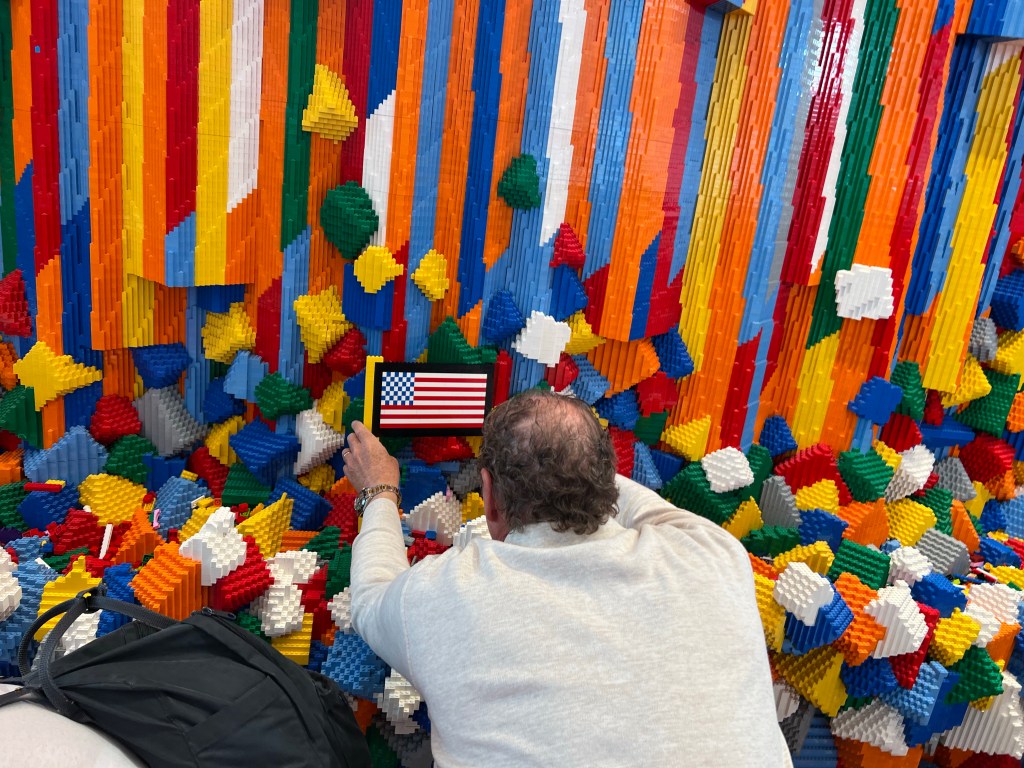

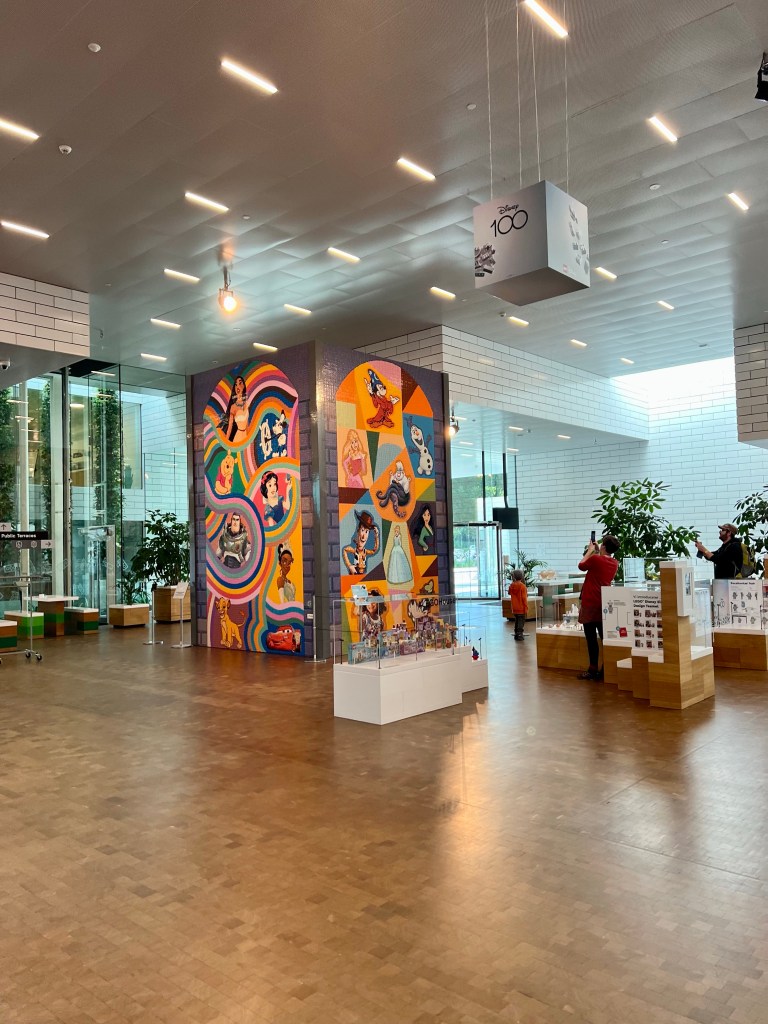
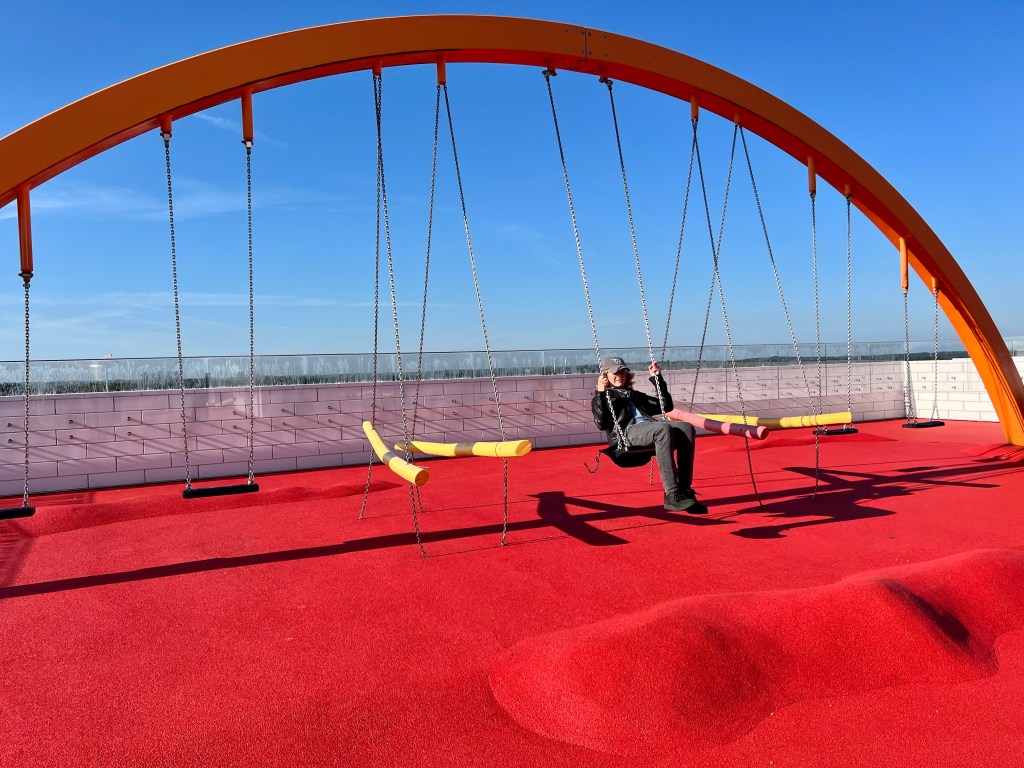
The Lego house has several “build” rooms with access to over 25 million bricks. And if inspiration is what you are craving, you will find it in room after room of amazing design and builds by Lego experts and fans alike. Jack has had a few sets high on his dream list and was hoping to find them here at the Lego store. Not only did we find sets he has wanted, we even got a few sets signed by the designers themselves. Since the designers work nearby, sometimes they will pop into the LegoHouse gift shop and sign a few of their own creations. Of course this is something one can only experience and find at the Lego House so we left with more than a few of Jacks Christmas gifts in hand. The highlight of our day was certainly the trip to the friends and family museum which our friendly Lego employees escorted us through. Detailing the fascinating story of the Lego company, I could feel and appreciate the passion and enthusiasm that workers have for their employer here.

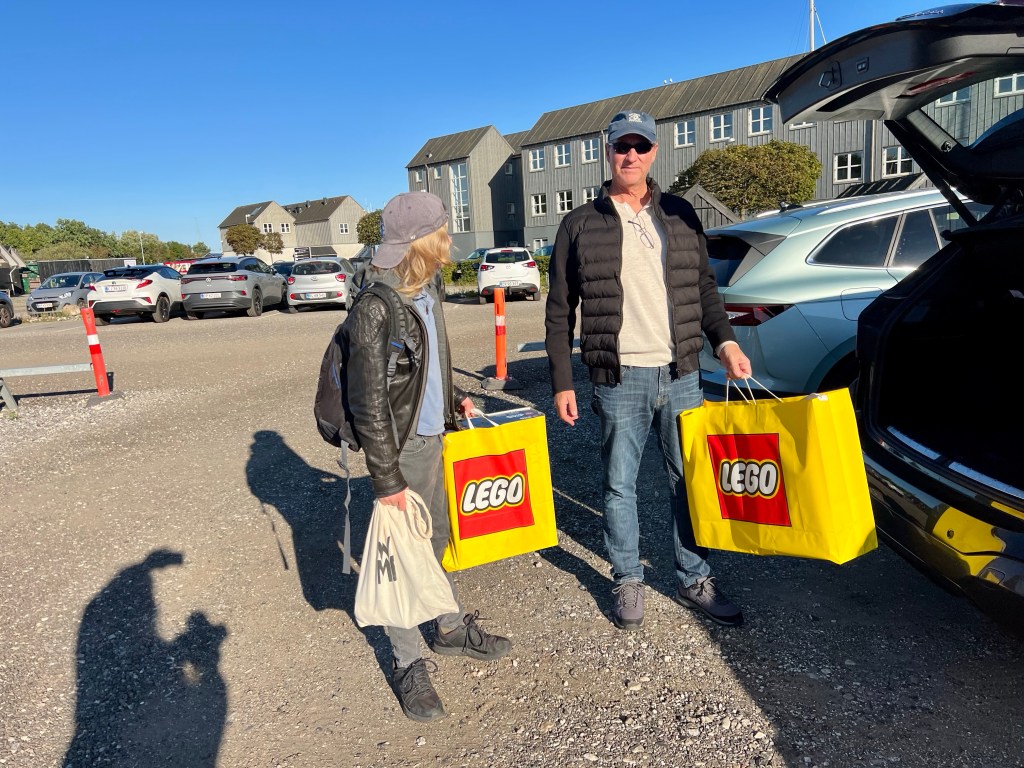


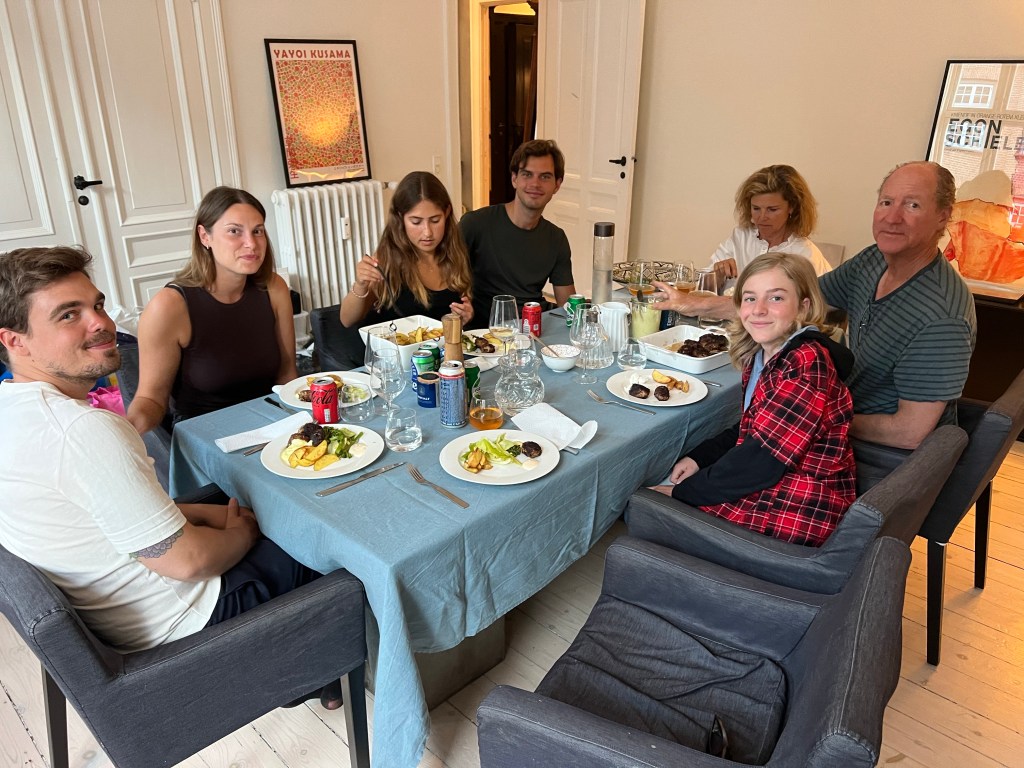
Next stop, Gilleleje. A small fishing town on the North coast of the peninsula North Zealand, we first came here nearly 10 years ago when visiting Alecs Danish cousins who had summer homes in Tisvilde. It is a super cute town but the main reason for our visit this time was to meet up with one of Alecs cousins, Ida who lives a shortish drive away in Frederiksund. We feel like we are moving so fast through this visit of Denmark but family is the most important of our stops in Denmark. All of Alecs cousins look exactly as they did 10 years ago! There must be something in the water or the air here. We enjoyed a lovely evening with Ida, then continued our trip to Copenhagen the next day.

Copenhagen

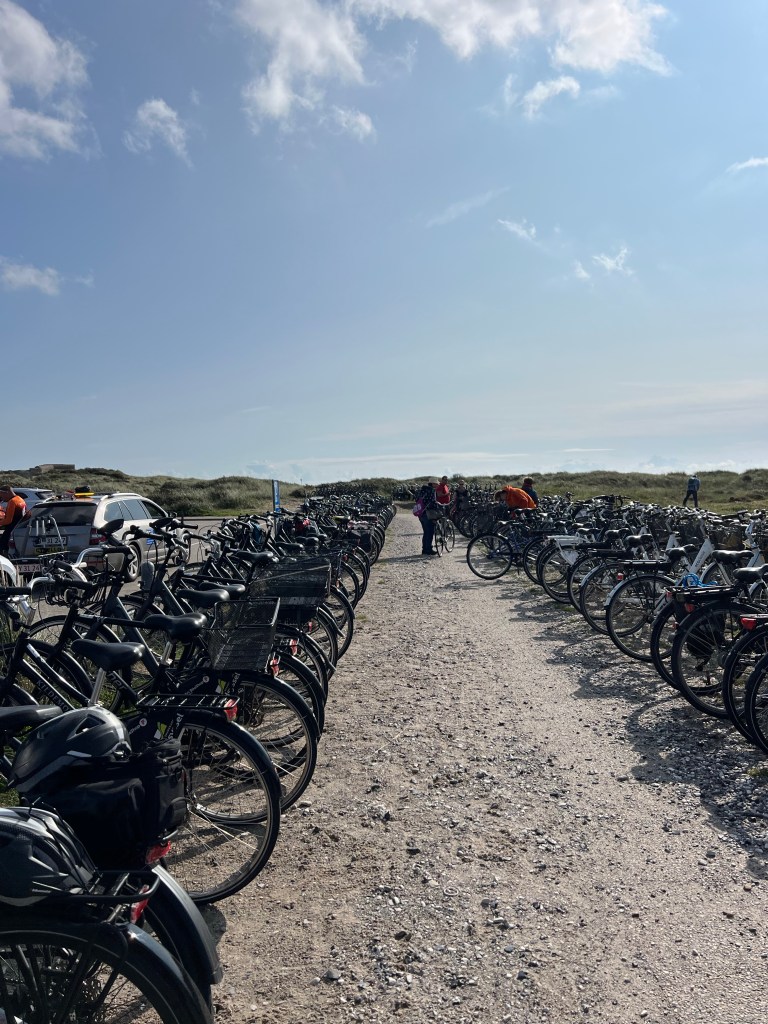
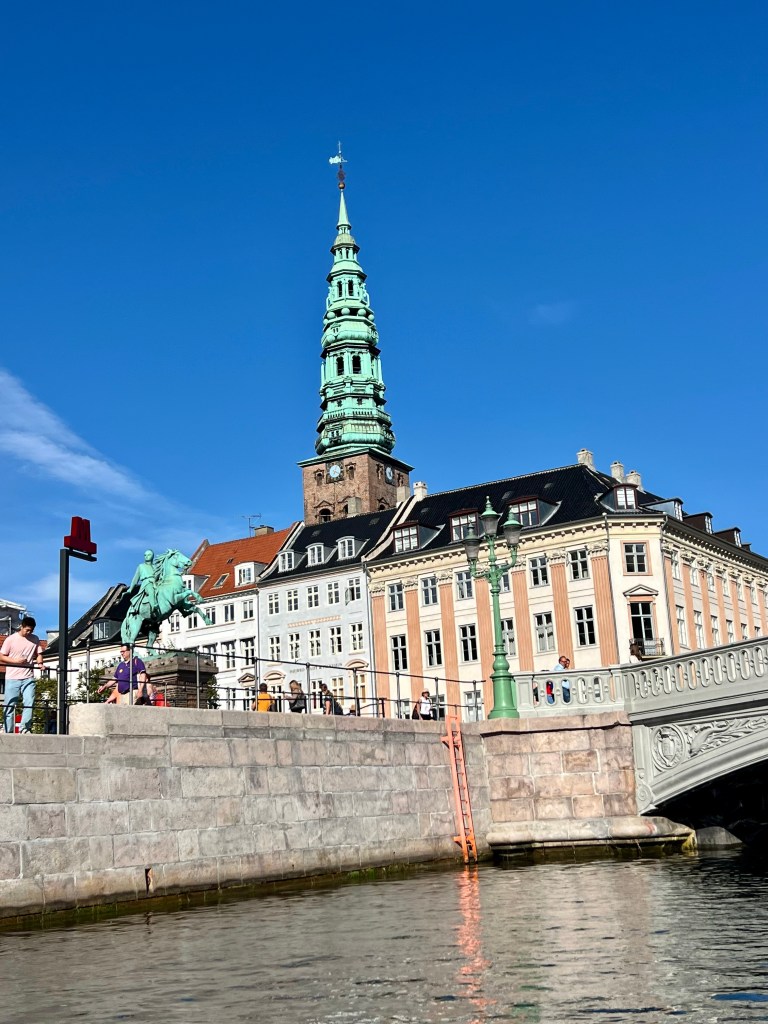
I love love love Copenhagen. A city of 1.5 million people there are more than 745,000 bicycles. According to Wikipedia.org, More than 62% of residents commute to work-school-or university by bicycle – more than in the entire US! We heard from family members that the tax on automobiles is 180% of the cost of the car – an astounding figure, but one which adds up to a far healthier and longer lived constituency . Given that the healthcare is universal and tax payer funded, incentivizing healthy living makes sense. According to the city of Copenhagen, for each kilometre cycled, the city saves 1.21 Danish Kroner. But there are far more benefits in terms of wellness, city air quality and not the least, parking and traffic congestion. Even the Danish postal service delivers by cycles. Typical of a well run municipality, they dont just make a mandate, they back it up by providing not only incentives, but the roads, bike paths, and cycle tracks to make it safe and easy. We had an absolute blast riding safely along with traffic following signs and our own traffic lights, in tune with and alongside hundreds of others safely doing the same. We have gotten pretty comfortable riding our bikes – they are essentially our car now – but doing so in large cities terrifies me with Jack riding neck and neck with cars. But in Denmark – all over, not just Copenhagen, I felt safe and we thoroughly enjoyed ourselves. On many trains, bicycles even ride free!
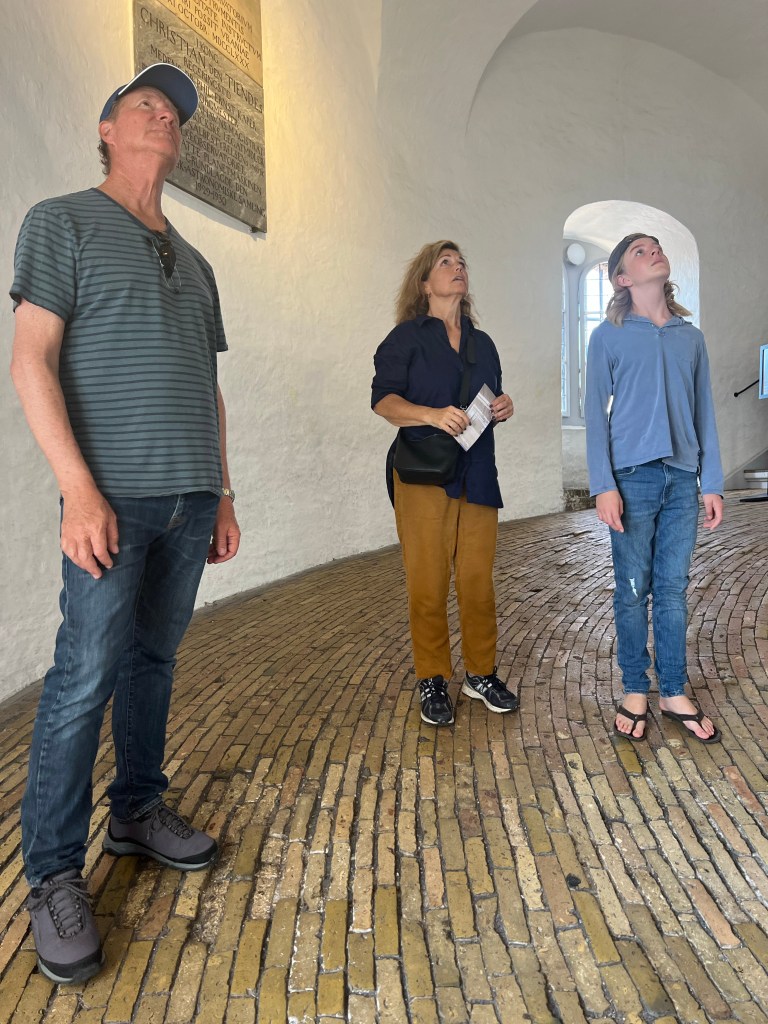
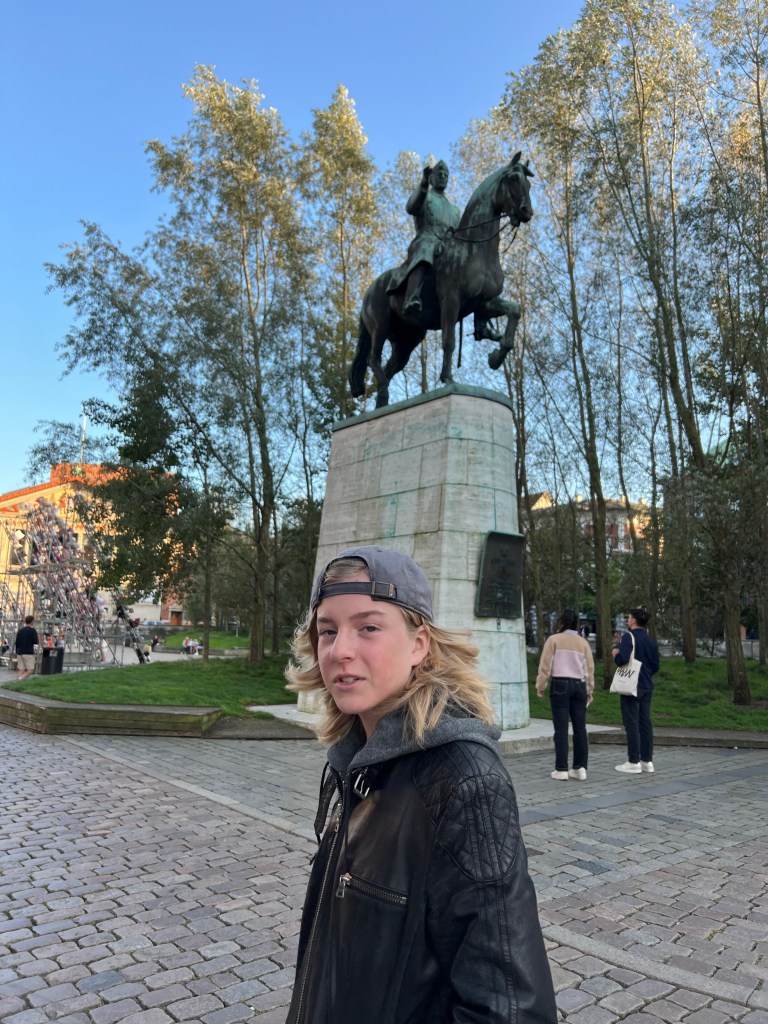

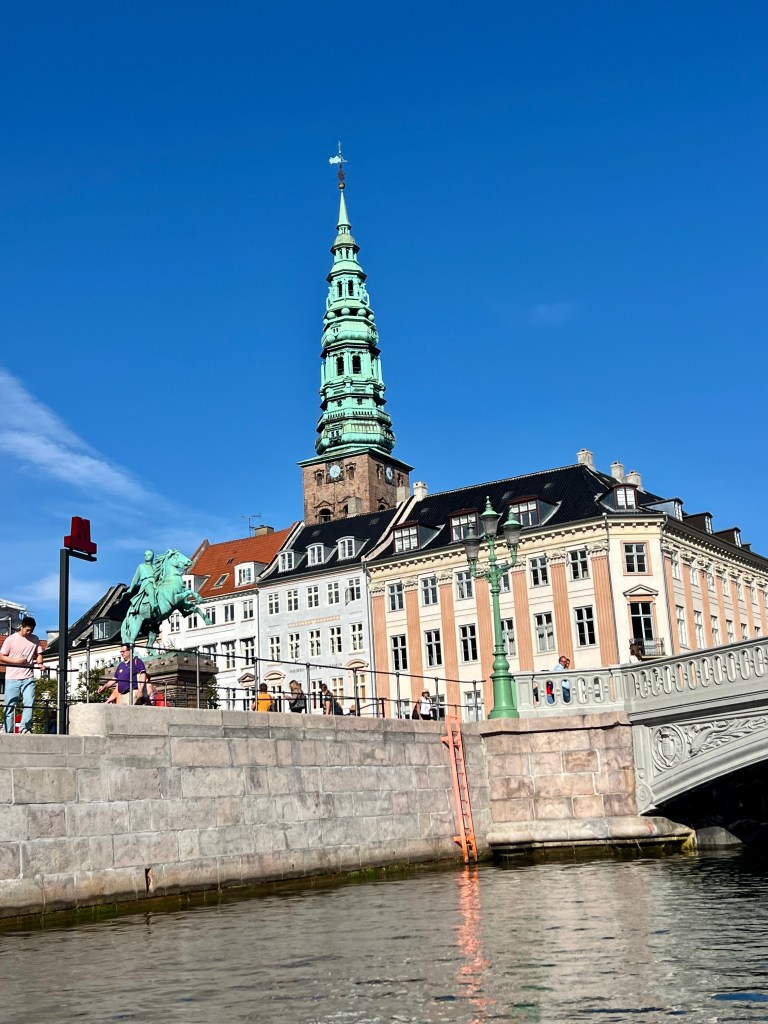
According to Catharina, Alecs cousin and history teacher extraordinaire, Christian IV is the reason for the lovely canal system. It was reported that upon returned from a trip to Amsterdam, he loved the city so much he wanted to replicate the canal system in the capital city of Copenhagen. Christian IV made his mark on Copenhagen in many other palaces and structures in the city and as we cycled and walked the lovely streets, Catharina showed us many of the contributions he made during his 60 year reign. Christian IV was the King of Denmark and Norway from 1588.


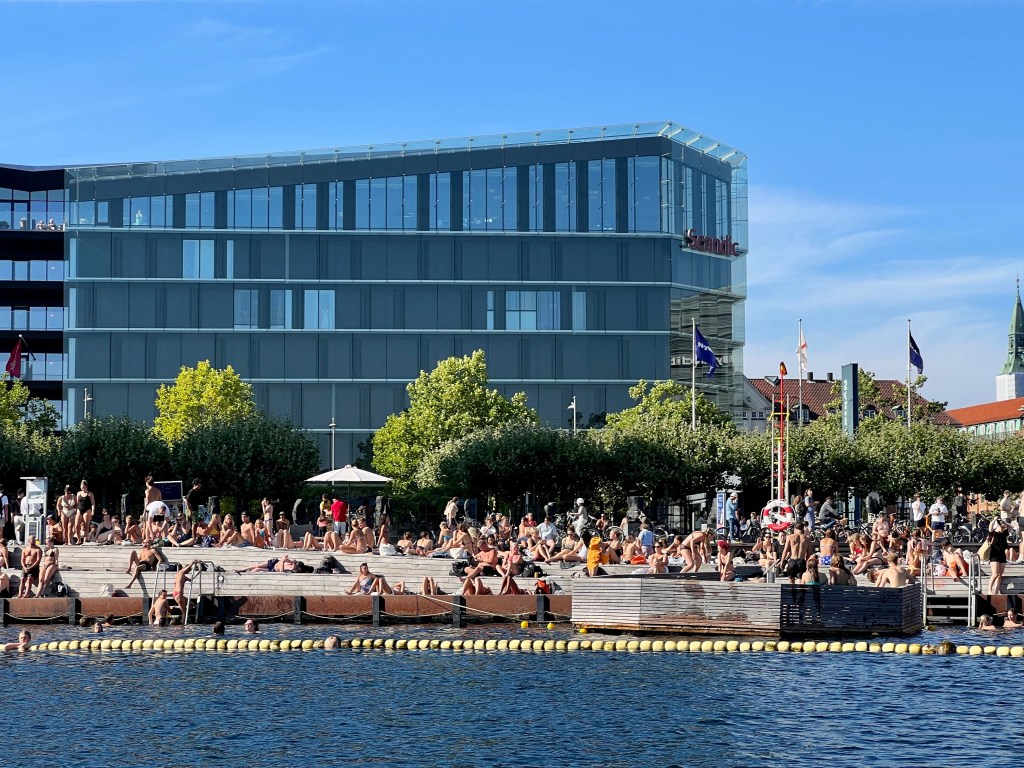
Unusual for a large bustling harbour, swimming is not only permitted, it is encouraged. There are steps, ladders and open places everywhere to encourage the occasional dip and people do swim all hours of the day! I loved watching the free and uninhibited way that many Danes stripped down from their work clothes and jumped, naked in the water, only to dry off and get dressed and return to work. Imagine how exhilarating one would feel after such a swim! In certain areas there were hundreds if not thousands of bodies laying on the quay in the middle of the day on a Friday. Alecs cousin said that they would be permitted, even encouraged to go enjoy the lovely day that was happening and do more work next week perhaps. Which brings me to what must be my favorite aspect of Danish life.


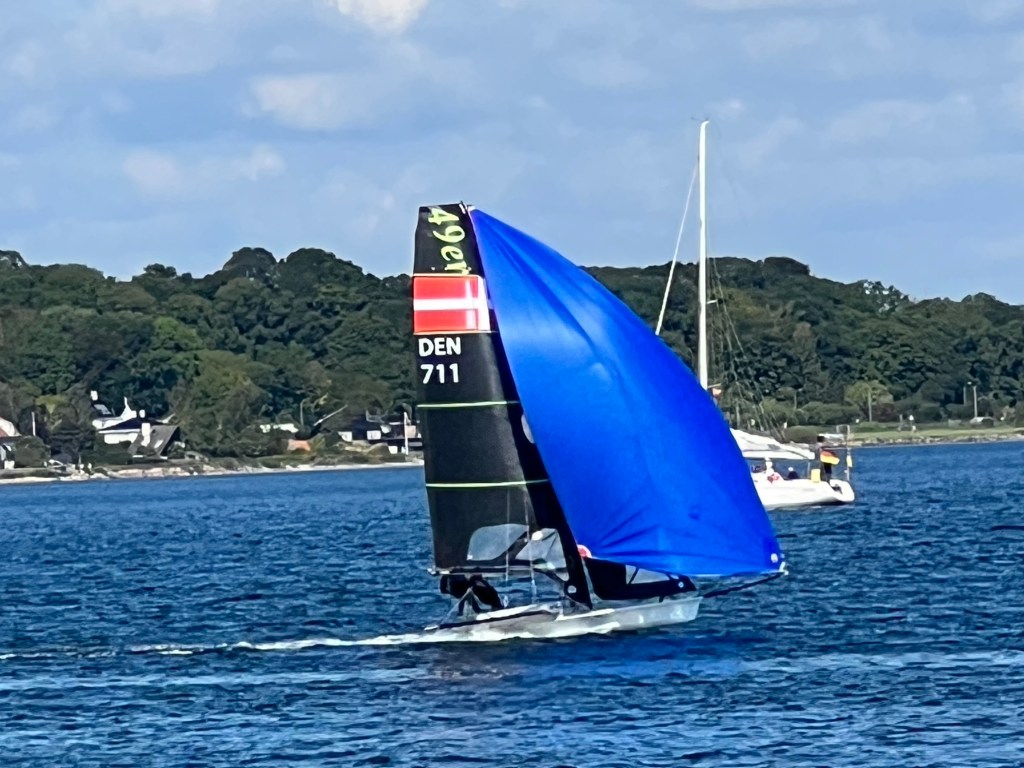

I have never seen such an amazing work life balance in any place we have visited. It is common to take a month off from work in the summer and another 2 weeks at Christmas and another 2 week at Easter. In Sweden, they take off the entire 2 months in summer. Nobody gives it a thought that your email hasn’t been returned for weeks or months in the summer since EVERYONE is on holiday. When someone has a baby, both parents take leave. We learned at the Lego House speaking with an Engineer that she is permitted to take more time off in the summer than the usual month and just adjust her yearly salary to reflect this reduction in hours worked. A healthy work life balance seems to be the highest priority in Danish society. Students are given a stipend on top of their education being payed for. Imagine having the financial freedom to pursue whatever educational goals you had for yourself without fear of loan repayment or starving to death while trying to study to get a degree. And healthcare is universally paid for and free. It is the Danish viewpoint that healthcare and education are human rights. I know that many Americans reading this will bristle but imagine if the greatest minds of our time and the absolute most important resource our country had, was allowed to be tapped simply by permitting someone an education, or the freedom from oppressive debt simply because of an unlucky diagnosis.


Everyone reading this by now knows that visiting fresh markets are my favorite thing to do in Europe, but a very close second is the bakeries. And Denmark has elevated the humble bakery to a thing of absolute adoration. Trays of amazing confections emerging from the kitchens, the Kringle and Danish are otherworldly. Coffee is enjoyed all day here and cafes are busy all day long. Restaurants are plentiful and shops sell really interesting and individually made jewelry. There are still the occasional touristy souvenir shops but they are fewer and further between given that this is a regular cruise ship destination.
And finally, my last favorite thing about Copenhagen is their commitment to becoming carbon neutral by 2050 and to reduce emissions by 70% by 2030. Evidence of this country wide commitment were everywhere and single use plastics were non-existent. Clearly Denmark is leading the way toward the solutions to our global problems. The city further uses discarded refuse, along with human waste, to produce heat, electricity and biofuel. According to 8shades.com, The CopenHill power plant turns waste into energy and provides heat and energy for tens of thousands of homes and businesses. Further, this plant emits only steam and was built to provide a ski slope for recreation. In fact, throughout the city one can see mixed use new construction happening according to strict new building guidelines of marrying practicality with recreation.
Denmark Politics
Similar to many other former strict monarchies in Europe, Denmark became a Constitutional Parlimentary Democracy in 1849. As with many other Parlimentary governments in Europe, if no party has enough votes to rule on its own, it must form a coalition government.


Claimed to be more than 1000 years old, these days the roles of the Royal Family are primarily that of a figurehead. Time will only tell what will happen to this and other monarchies in Europe but to hear our relatives speak of their royal family, they seem neither “royalist” nor anti-royal, though I never posed the question directly. I will admit to having had mixed feelings during our time in Europe and when we first arrived, I found the entire “royal” business bordering on the absurd. This viewpoint I can now see as lacking the depth (dare I say ignorant) necessary for such a conclusion. Certainly the limited (tabloid) exposure most westerners have of some European royal families contributes to this viewpoint. But my time in Europe and particularly with the passing the UK Queen Elizabeth has deepened my appreciation for the role that they play in their respective countries. Given that the Danish royals may be spotted, on any given day, playing tennis at the courts frequented by the public, or running down the quay near the royal residence, adds to their familiarity and from my point of view, makes them far more valuable as an ambassador for their country. Perhaps in the countries where paparazzi are permitted to run amok and citizens lack the common decency to allow their public figures to live and socialize freely without constantly being harassed, the royals become, born of necessity, more veiled and covert and in need of giant yachts and expensive private aircraft just to conduct their business and family lives with any semblance of normalcy. All of this nattering is essentially to say that the Danes seem to be managing this very well. They give their public figures space to live and thrive and their royal family continue to serve as ambassadors in a way that doesnt disgrace their country. I have witnessed how royal families can bring a country together and become one source of national pride and character. Perhaps there is still a role to play for royal families in the 21st century, though I would have denied it vehemently if you would have asked me this 5 years ago.
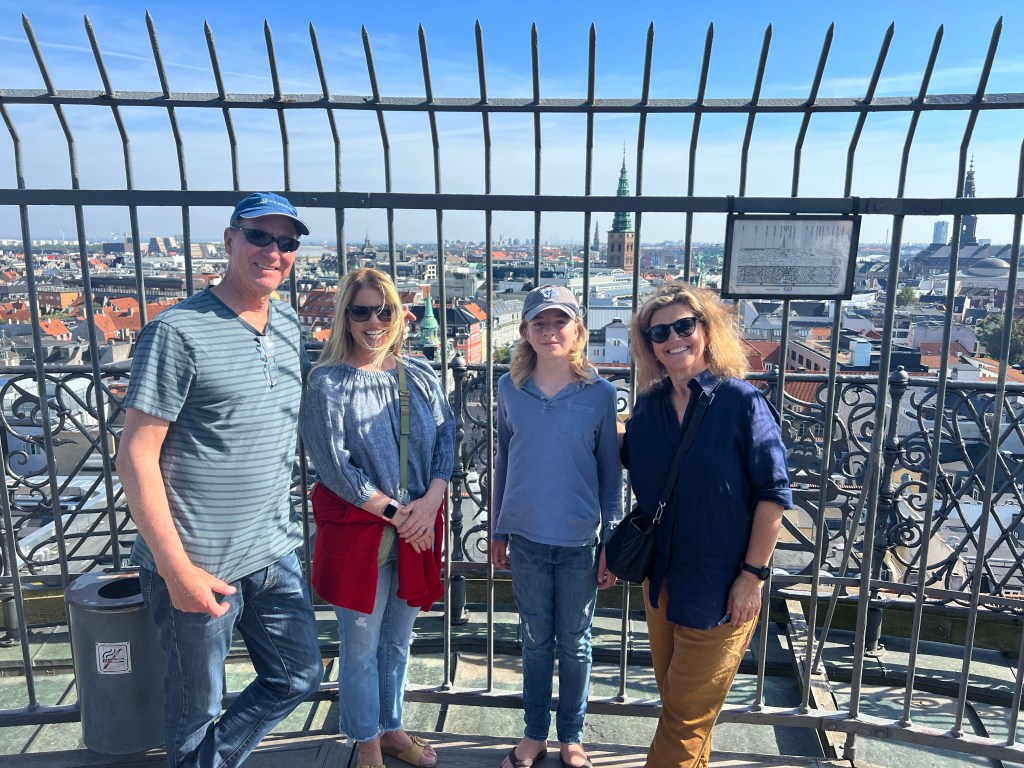
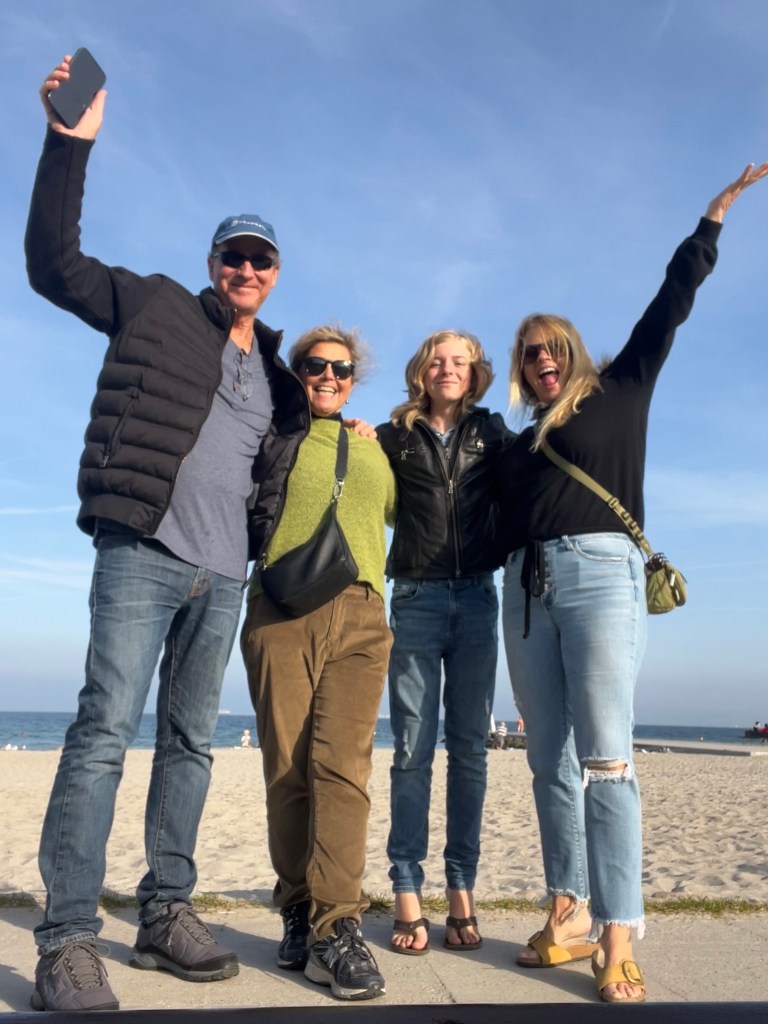
I would be remiss if I failed to mention how much I love Alecs Danish cousins. This is our 3rd visit to Denmark and each time we have been treated to beautiful meals, and kind and thoughtful explanation of their shared heritage. We are Americans to be sure, but knowing from where one comes is an important part of appreciating who you are. It is a privilege to share this with Jack just as we share with him his relations on my side of the family. Many many thanks to Catharina, Peter, Emily, Erik, Diane, Pål, Dorthe, and Ida. Thank you for your kind and generous hospitality. We look forward with eager anticipation of our next visit!
PS. We left Copenhagen and planned our final night in Denmark to be Klintholm to see the famed fossils encased in the chalk like cliffs lining the shore. We awoke to pouring rain and giving in to one of the sweetest Danish pastimes – Hygge- we settled into a rainy day snuggle and left the fossils for another time.
Leaving Smögen, Sweden we enjoyed beautiful passage conditions to Skagen, Denmark. The northernmost tip of Denmark, Skagen is a holiday port for Swedes and Danes and the harbor was full of lively holiday weekenders making the very most of the final summer weekend. The shops and restaurants were full to brimming with live entertainment and patrons were spilling onto the streets and keeping the movable party going well into the night hours. Alec and I had a little wander around town while Jack did some of his school work and we found a lovely bakery in which we had our first “danish”. The first time I had danish in Denmark was 7 years ago or more and I havent forgotten the pasty like confection and the real fruit filling which put to shame any same named pastry sold in the US. We brought enough to bring to Jack back on Gratitude and enjoyed it for a few days onward.
Needing some exercise to burn off these delightful treats, we got an early start the next morning and rode our bikes to the very Northern tip of Denmark, Grenen, where the North Sea collides with the Baltic. I say collides because due to differences in density, this is exactly what happens. The waves come from different directions and slam into each other. Curious what it might look like from above, I asked Alec to bring the drone so we could get a wider perspective and these photos are the result. I especially love the ones where you can actually see the waves coming from opposite directions.
Leaving Grenen we stopped at the Skagen Grey Lighthouse which has become an international bird center. Given its path on the migratration routes of hundreds of species, there are sightings of both rare species and several birds of prey.
Continuing our ride we stopped at the location of the former lighthouse then enjoyed an evening in town for dinner and ice cream.
Leaving Skagan, our next stop was Læsø, a wonderful little island 12 miles off of the Jutland peninsula. Boasting a year round population of less than 2000 people, there is regular ferry service and an active community. Nearly deserted this time of year, we had no trouble finding a nice place to tie up and enjoy dinner.
The following day we rode our bikes to the Læsø Salt “factory”. Dating back to the Middle Ages, with a brief pause due to overforestation, Læsø has been nearly continuously producing salt in their kilns. Due to a high natural concentration of salt in the flats meadows due to the dry summers and with the final concentration done in kilns, Læsó has been able to produce unique and natural sea salt. It was the hungry kilns which caused the deforestation and subsequent interruption of the salt production. Once the forest returned, so did the salt production. The salt is still concentrated in the exact methods used in the 1200s. I may be biased but I think this is the nicest tasting salt I have ever eaten – Maldon used to be my favorite because of the flaky texture but this has that special texture but a lovely taste which I think is unique.
We passed many farms and lots of animals on a way. This was a wonderful stop and we can see what a vibrant and fun place this must be at the peak of the summer months. Though we enjoyed the quieter post peak season visit.
Continue in our trip down the Danish coast, we spent a night at Grenaa, then to Aarhus.
Itself a very cool town, Aarhus, Denmark was established in the 8th century. Despite the multiple museums and a vibrant city life, there was far too much to see for us to have managed it on this short visit. We planned this stop for my birthday (I prefer to be stationery when the anniversary of my birth comes around) and we decided it would make a nice place to rent a car and travel to the Lego House. We did make it to the Food festival and enjoyed the town and Cathedral with its ancient frescoes.
Long before we began our summer trip, Billund Denmark has been high on the list. Jack, an ardent Lego fan, has had “Lego Designer” on his short list of dream jobs. The birthplace of Lego is Billund, Denmark and with Legoland (we have our own in Florida so we didnt go) and the Lego House, we were excited to explore all that Billund had to offer. Introduced by a mutual acquaintance, we met 2 Lego employees (a designer and a product manager) who shared so passionately their love of Lego as an employer and the storied history and commitment to excellence which has fueled our own sons quest not only for a kings ransom worth of Lego, but also a desire to work for the company.
The Lego house has several “build” rooms with access to over 25 million bricks. And if inspiration is what you are craving, you will find it in room after room of amazing design and builds by Lego experts and fans alike. Jack has had a few sets high on his dream list and was hoping to find them here at the Lego store. Not only did we find sets he has wanted, we even got a few sets signed by the designers themselves. Since the designers work nearby, sometimes they will pop into the LegoHouse gift shop and sign a few of their own creations. Of course this is something one can only experience and find at the Lego House so we left with more than a few of Jacks Christmas gifts in hand. The highlight of our day was certainly the trip to the friends and family museum which our friendly Lego employees escorted us through. Detailing the fascinating story of the Lego company, I could feel and appreciate the passion and enthusiasm that workers have for their employer here.
Next stop, Gilleleje. A small fishing town on the North coast of the peninsula North Zealand, we first came here nearly 10 years ago when visiting Alecs Danish cousins who had summer homes in Tisvilde. It is a super cute town but the main reason for our visit this time was to meet up with one of Alecs cousins, Ida who lives a shortish drive away in Frederiksund. We feel like we are moving so fast through this visit of Denmark but family is the most important of our stops in Denmark. All of Alecs cousins look exactly as they did 10 years ago! There must be something in the water or the air here. We enjoyed a lovely evening with Ida, then continued our trip to Copenhagen the next day.
Copenhagen
I love love love Copenhagen. A city of 1.5 million people there are more than 745,000 bicycles. According to Wikipedia.org, More than 62% of residents commute to work-school-or university by bicycle – more than in the entire US! We heard from family members that the tax on automobiles is 180% of the cost of the car – an astounding figure, but one which adds up to a far healthier and longer lived constituency . Given that the healthcare is universal and tax payer funded, incentivizing healthy living makes sense. According to the city of Copenhagen, for each kilometre cycled, the city saves 1.21 Danish Kroner. But there are far more benefits in terms of wellness, city air quality and not the least, parking and traffic congestion. Even the Danish postal service delivers by cycles. Typical of a well run municipality, they dont just make a mandate, they back it up by providing not only incentives, but the roads, bike paths, and cycle tracks to make it safe and easy. We had an absolute blast riding safely along with traffic following signs and our own traffic lights, in tune with and alongside hundreds of others safely doing the same. We have gotten pretty comfortable riding our bikes – they are essentially our car now – but doing so in large cities terrifies me with Jack riding neck and neck with cars. But in Denmark – all over, not just Copenhagen, I felt safe and we thoroughly enjoyed ourselves. On many trains, bicycles even ride free!
According to Catharina, Alecs cousin and history teacher extraordinaire, Christian IV is the reason for the lovely canal system. It was reported that upon returned from a trip to Amsterdam, he loved the city so much he wanted to replicate the canal system in the capital city of Copenhagen. Christian IV made his mark on Copenhagen in many other palaces and structures in the city and as we cycled and walked the lovely streets, Catharina showed us many of the contributions he made during his 60 year reign. Christian IV was the King of Denmark and Norway from 1588.
Unusual for a large bustling harbour, swimming is not only permitted, it is encouraged. There are steps, ladders and open places everywhere to encourage the occasional dip and people do swim all hours of the day! I loved watching the free and uninhibited way that many Danes stripped down from their work clothes and jumped, naked in the water, only to dry off and get dressed and return to work. Imagine how exhilarating one would feel after such a swim! In certain areas there were hundreds if not thousands of bodies laying on the quay in the middle of the day on a Friday. Alecs cousin said that they would be permitted, even encouraged to go enjoy the lovely day that was happening and do more work next week perhaps. Which brings me to what must be my favorite aspect of Danish life.
I have never seen such an amazing work life balance in any place we have visited. It is common to take a month off from work in the summer and another 2 weeks at Christmas and another 2 week at Easter. In Sweden, they take off the entire 2 months in summer. Nobody gives it a thought that your email hasn’t been returned for weeks or months in the summer since EVERYONE is on holiday. When someone has a baby, both parents take leave. We learned at the Lego House speaking with an Engineer that she is permitted to take more time off in the summer than the usual month and just adjust her yearly salary to reflect this reduction in hours worked. A healthy work life balance seems to be the highest priority in Danish society. Students are given a stipend on top of their education being payed for. Imagine having the financial freedom to pursue whatever educational goals you had for yourself without fear of loan repayment or starving to death while trying to study to get a degree. And healthcare is universally paid for and free. It is the Danish viewpoint that healthcare and education are human rights. I know that many Americans reading this will bristle but imagine if the greatest minds of our time and the absolute most important resource our country had, was allowed to be tapped simply by permitting someone an education, or the freedom from oppressive debt simply because of an unlucky diagnosis.
Everyone reading this by now knows that visiting fresh markets are my favorite thing to do in Europe, but a very close second is the bakeries. And Denmark has elevated the humble bakery to a thing of absolute adoration. Trays of amazing confections emerging from the kitchens, the Kringle and Danish are otherworldly. Coffee is enjoyed all day here and cafes are busy all day long. Restaurants are plentiful and shops sell really interesting and individually made jewelry. There are still the occasional touristy souvenir shops but they are fewer and further between given that this is a regular cruise ship destination.
And finally, my last favorite thing about Copenhagen is their commitment to becoming carbon neutral by 2050 and to reduce emissions by 70% by 2030. Evidence of this country wide commitment were everywhere and single use plastics were non-existent. Clearly Denmark is leading the way toward the solutions to our global problems. The city further uses discarded refuse, along with human waste, to produce heat, electricity and biofuel. According to 8shades.com, The CopenHill power plant turns waste into energy and provides heat and energy for tens of thousands of homes and businesses. Further, this plant emits only steam and was built to provide a ski slope for recreation. In fact, throughout the city one can see mixed use new construction happening according to strict new building guidelines of marrying practicality with recreation.
Denmark Politics
Similar to many other former strict monarchies in Europe, Denmark became a Constitutional Parlimentary Democracy in 1849. As with many other Parlimentary governments in Europe, if no party has enough votes to rule on its own, it must form a coalition government.
Claimed to be more than 1000 years old, these days the roles of the Royal Family are primarily that of a figurehead. Time will only tell what will happen to this and other monarchies in Europe but to hear our relatives speak of their royal family, they seem neither “royalist” nor anti-royal, though I never posed the question directly. I will admit to having had mixed feelings during our time in Europe and when we first arrived, I found the entire “royal” business bordering on the absurd. This viewpoint I can now see as lacking the depth (dare I say ignorant) necessary for such a conclusion. Certainly the limited (tabloid) exposure most westerners have of some European royal families contributes to this viewpoint. But my time in Europe and particularly with the passing the UK Queen Elizabeth has deepened my appreciation for the role that they play in their respective countries. Given that the Danish royals may be spotted, on any given day, playing tennis at the courts frequented by the public, or running down the quay near the royal residence, adds to their familiarity and from my point of view, makes them far more valuable as an ambassador for their country. Perhaps in the countries where paparazzi are permitted to run amok and citizens lack the common decency to allow their public figures to live and socialize freely without constantly being harassed, the royals become, born of necessity, more veiled and covert and in need of giant yachts and expensive private aircraft just to conduct their business and family lives with any semblance of normalcy. All of this nattering is essentially to say that the Danes seem to be managing this very well. They give their public figures space to live and thrive and their royal family continue to serve as ambassadors in a way that doesnt disgrace their country. I have witnessed how royal families can bring a country together and become one source of national pride and character. Perhaps there is still a role to play for royal families in the 21st century, though I would have denied it vehemently if you would have asked me this 5 years ago.
I would be remiss if I failed to mention how much I love Alecs Danish cousins. This is our 3rd visit to Denmark and each time we have been treated to beautiful meals, and kind and thoughtful explanation of their shared heritage. We are Americans to be sure, but knowing from where one comes is an important part of appreciating who you are. It is a privilege to share this with Jack just as we share with him his relations on my side of the family. Many many thanks to Catharina, Peter, Emily, Erik, Diane, Pål, Dorthe, and Ida. Thank you for your kind and generous hospitality. We look forward with eager anticipation of our next visit!
PS. We left Copenhagen and planned our final night in Denmark to be Klintholm to see the famed fossils encased in the chalk like cliffs lining the shore. We awoke to pouring rain and giving in to one of the sweetest Danish pastimes – Hygge- we settled into a rainy day snuggle and left the fossils for another time.
 M/VGratitude